7 Cooking in a Tiny Apartment Kitchen Tips That Actually Work (2026)
I remember the first night I tried to cook a proper dinner in my 500-square-foot apartment. The counter was the size of a cutting board, the cabinets were stuffed with mismatched pots, and within ten minutes I had a trail of flour on the floor, a knife precariously balanced on the edge of the sink, and absolutely no room to chop an onion. By the time I finished, I was more exhausted than if I’d run a mile. Sound familiar? If you’re living with a tiny kitchen, you know the struggle: every meal feels like a game of Tetris, and you’re constantly fighting for counter space, storage, and sanity. But here’s the thing—it doesn’t have to be that way. After years of trial and error (and more than a few burnt fingers), I’ve landed on seven cooking in a tiny apartment kitchen tips that actually work. No gimmicks, no expensive overhauls—just practical, tested strategies that transform a cramped space into a functional cooking zone. Let’s get started.
1. Declutter Like a Chef: The One-Tool Rule
When I first moved in, I owned a garlic press, a citrus juicer, a vegetable peeler, a manual food chopper, and a set of twelve knives. Within a month, I realized I was using exactly three of them regularly. The rest just took up drawer space and added to the chaos. That’s when I adopted the one-tool rule: for every task, keep only the single best tool you truly need. In a tiny kitchen, every square inch counts, and a cluttered drawer is a recipe for frustration.
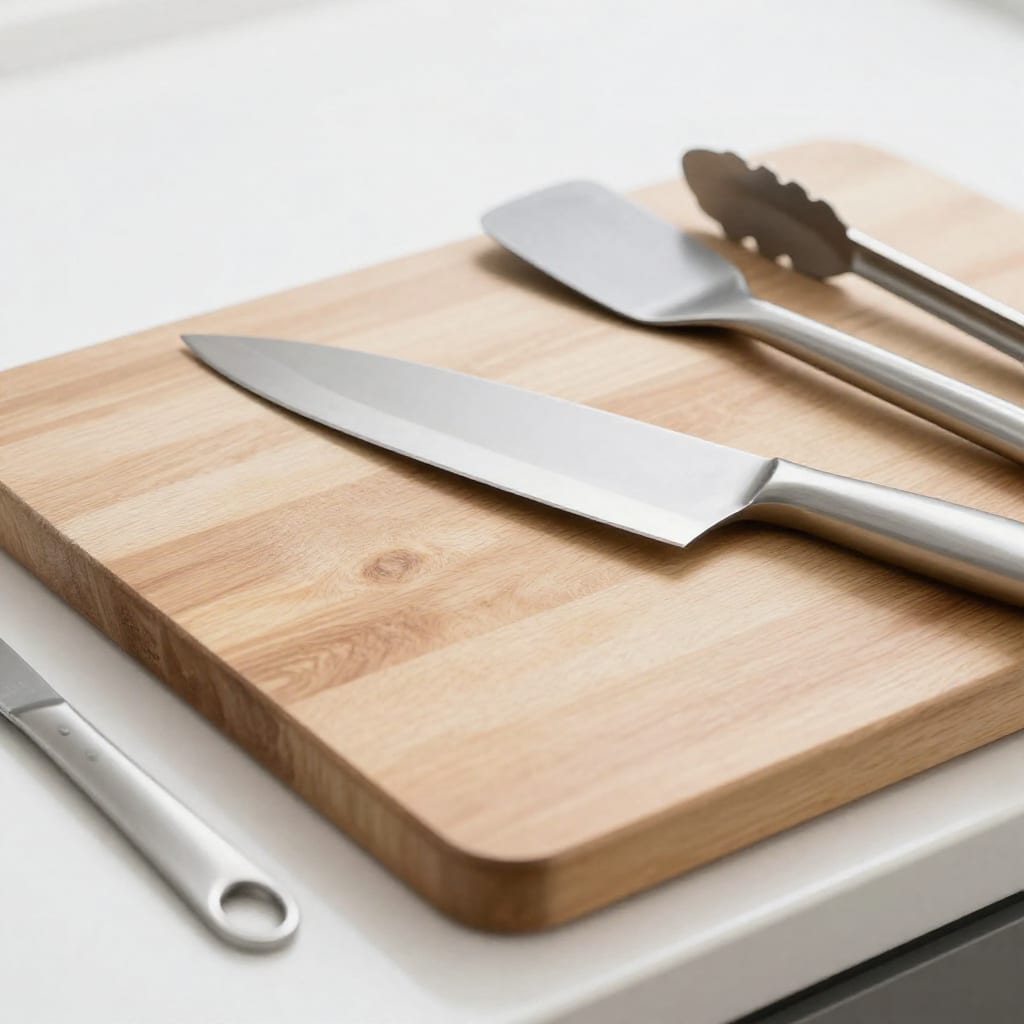
So what do you actually need? Here’s my essential list, which replaced about twenty items: a good chef’s knife (8-inch), a sturdy cutting board (I prefer wood for durability), a cast-iron skillet (it doubles as a baking dish), a medium saucepan with a lid, a sheet pan, a large mixing bowl, and a heat-resistant spatula. That’s it. With these seven tools, I can roast, sauté, boil, bake, and stir-fry almost anything. The trick is to choose quality over quantity—a sharp chef’s knife does the work of a garlic press, a peeler, and a chopper combined. When I decluttered, I freed up an entire drawer for spices and utensils.
2. Vertical Storage: Use Every Inch Above Your Counter
Counter space is precious, but wall space? That’s often neglected gold. I installed a magnetic knife strip on the wall above my stove—no drilling required, just strong adhesive strips that renters can remove without damage. Suddenly, my knives were off the counter, within arm’s reach, and actually looked neat. Next came a wall-mounted spice rack and a small wire basket for onions and garlic. If you’re short on cabinet space, think up: hang pots from a ceiling-mounted rack (if your ceiling allows) or use an over-the-door shoe organizer for pantry items—each pocket can hold a can of beans, a packet of rice, or a small jar of spices.
One of my favorite hacks is using tension rods under the sink to hang spray bottles and cleaning supplies. It keeps them upright and accessible, and I can still store a small trash can underneath. For renters, Command hooks and adhesive magnetic strips are lifesavers—they hold surprising weight and peel off cleanly when it’s time to move. Vertical storage not only clears your counter but also makes everything visible, so you’re not digging through a dark cabinet for that can of tomatoes.
3. Smart Prep: Cook Once, Eat Twice (or Thrice)
Batch cooking sounds like a big production, but in a tiny kitchen, it’s actually a timesaver and space-saver. I started a simple routine: every Sunday, I spend 30 minutes prepping ingredients for the week. I chop onions, bell peppers, and carrots; cook a batch of quinoa or rice; and maybe roast a sheet pan of chicken thighs. Then, during the week, I can throw together a stir-fry in ten minutes using the prepped veggies and protein, or toss the roasted chicken into a salad or wrap. The key is to use one pot for multiple meals—for example, I’ll make a big batch of lentil soup on Sunday that doubles as lunch for two days and a base for a curry later.
This approach also reduces dishes (one pot, one cutting board) and keeps your fridge organized with labeled containers. A tip I learned the hard way: prep ingredients that work across cuisines—like roasted vegetables that go with pasta, tacos, or grain bowls. That way, you’re not stuck eating the same thing every day. For more ideas, check out How to Meal Prep in a Tiny Apartment (Step by Step)—it’s a game-changer for small-space cooks.
4. Multitask Your Appliances: The Power of a Single Gadget
I used to own a rice cooker, a slow cooker, a pressure cooker, and a yogurt maker. They took up half my counter and I used each maybe once a week. Then I swapped them all for a single Instant Pot. That one appliance replaced four others, freeing up precious real estate. It pressure-cooks beans in 30 minutes, slow-cooks stews, sautés onions, steams vegetables, and even makes yogurt. For a tiny kitchen, a multifunction appliance is worth its weight in gold.
But beware of the gadget trap. Before buying any new device, ask yourself: does it do at least two things I’ll use weekly? If not, skip it. My current shortlist includes the Instant Pot (pressure cooker/slow cooker/sauté), a toaster oven (it bakes, broils, and toasts, replacing a full-size oven for most tasks), and an immersion blender (which blends soups right in the pot, saving a blender’s worth of space). For budget-friendly options, Best Countertop Appliances Under $50 for Small Spaces has solid picks that won’t break the bank.
5. Counter-Saving Cooking Techniques: One-Pan & No-Bake Meals
When counter space is tight, the best cooking method is the one that uses the fewest dishes. I’m a huge fan of sheet pan dinners: toss chicken thighs, broccoli, and sweet potatoes with olive oil and seasoning, roast at 400°F for 25 minutes, and dinner’s ready with just one pan to wash. One-pot pasta is another winner—cook pasta, sauce, and veggies in a single pot, adding liquid gradually so the starch thickens the sauce naturally. No colander needed.
For warm days or when I don’t want to heat up the kitchen, no-bake meals are a lifesaver. Think chickpea salad sandwiches (mash chickpeas with mayo, mustard, and chopped veggies), overnight oats, or a simple avocado-cucumber wrap. These require minimal prep and zero stovetop time. I often prepare a batch of no-bake energy balls for snacks—just oats, peanut butter, honey, and chocolate chips rolled together and chilled. They’re satisfying, portable, and keep my oven off.
One surprise insight: using a single sheet pan for multiple components at once (like roasting protein and veggies on the same pan) not only saves space but also builds flavor as juices mingle. It’s a trade-off—some say separate roasting gives better control, but for a tiny kitchen, the convenience wins every time.
6. Creative Storage Hacks: Under-Sink & Over-Door Solutions
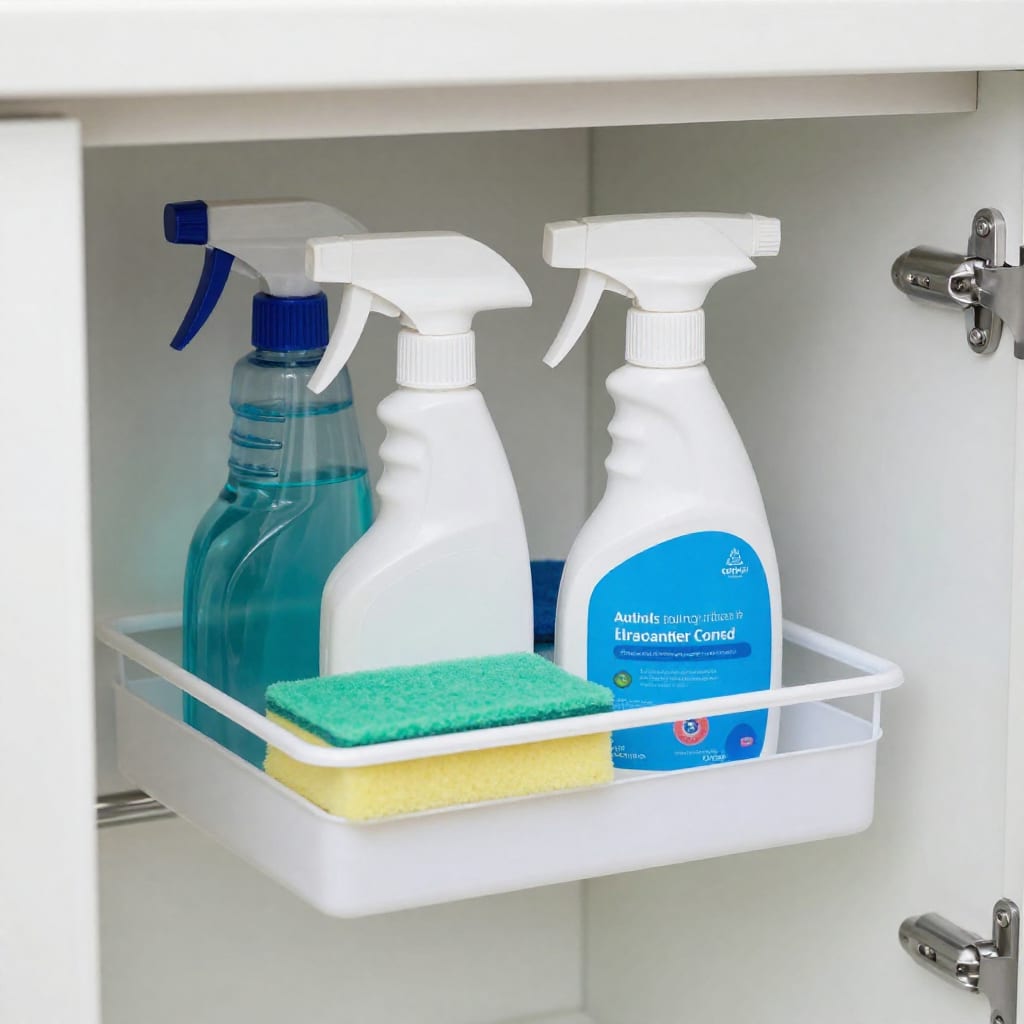
Under the sink is often a black hole of bottles, sponges, and forgotten cleaning supplies. I tamed mine by installing a tension rod near the top of the cabinet, then hanging spray bottles from it by their triggers. This keeps them upright and accessible, and I can still store a recycling bin below. Another trick: attach a small over-the-door rack to the inside of a cabinet door—perfect for storing cutting boards, baking sheets, or even a colander. For spices, I use a narrow over-the-door organizer that hangs on the pantry door, keeping them visible and within reach.
If you’re a renter, adhesive hooks and tension rods are your best friends. I’ve used them to hang a small wire basket for dish towels under the sink, and to create a makeshift spice shelf inside a cabinet. The key is to think in three dimensions—every flat surface has potential for vertical or hidden storage. For more renter-friendly ideas, 5 Renter-Friendly Kitchen Storage Hacks That Actually Work has step-by-step guides that won’t damage your walls.
7. Ventilation & Odor Control: Keep Your Kitchen (and Neighbors) Happy
In a tiny apartment, cooking smells linger. I learned this the hard way after a particularly enthusiastic batch of fish curry that my neighbor complained about the next day. Now I’m proactive: I always use a splatter screen when frying (it reduces grease and odor), open a window before I start cooking, and run the exhaust fan on high. For stubborn smells, I place a small bowl of white vinegar on the counter overnight—it absorbs odors naturally. Coffee grounds work too, and they leave a pleasant scent.
Another trick: simmer a pot of water with lemon peels, cinnamon sticks, and cloves while you cook. It not only masks odors but also makes the whole apartment smell like a bakery. If you’re really concerned, invest in a small air purifier near the kitchen—it makes a noticeable difference in a compact space. These steps keep your cooking from becoming a nuisance and make the kitchen feel fresher overall.
FAQ: Quick Answers to Common Tiny Kitchen Questions
What are the absolute essential tools for a tiny apartment kitchen?
A chef’s knife, cutting board, cast-iron skillet, medium saucepan, sheet pan, mixing bowl, and a spatula. That’s all you need to start. Invest in good quality—they’ll last and do double duty.
How do I organize spices in a very small kitchen?
Use a magnetic spice rack on the fridge or a wall-mounted rack. Or store them in a shallow drawer with labeled jars stacked vertically. I use a small over-the-door organizer for mine—costs under $10 and keeps everything visible.
Can I cook full meals in a tiny kitchen without a dishwasher?
Yes, by using one-pot meals and batch cooking. Also, wash as you go—rinse tools immediately after use to avoid buildup. A small drying rack over the sink helps manage space.
What’s the best way to reduce cooking odors in a small apartment?
Use an exhaust fan or open a window. Place a bowl of white vinegar or coffee grounds on the counter overnight to absorb smells. Simmering lemon and cinnamon while cooking also helps.
Are there any renter-friendly storage solutions that don’t damage walls?
Yes—Command hooks, tension rods, over-door racks, and adhesive magnetic strips are all damage-free and removable. I’ve used them for years with zero issues at move-out.
Practical Takeaway
Your tiny kitchen doesn’t have to be a source of frustration. By decluttering ruthlessly, using vertical space, batch prepping, choosing multipurpose appliances, cooking with fewer dishes, and managing odors, you can turn even the smallest cooking area into a joyful workspace. Start with just two or three of these tips this week—you’ll be amazed at how much smoother cooking becomes. And if you ever need a quick reference, bookmark this page before your next grocery run.